Web Design Inspiration Curated
Brutalism: The Beauty of Breaking the Rules
Brutalism doesn’t care about being pretty, it cares about being real. In an era of safe, polished, and algorithm-friendly layouts, Brutalist web design stands apart as a visual rebellion. It’s the anti-aesthetic: raw, unapologetic, and refreshingly human.
What Is Brutalism in Web Design?
Borrowed from mid-20th century architecture, Brutalism originally celebrated unrefined materials and structural honesty. Think raw concrete, exposed rebar, and functional simplicity.
In web design, the same philosophy manifests as:
- Plain typography
- Harsh contrast
- Minimal or no decoration
- Obvious grid systems
- Layouts that feel “unfinished” by design
It’s less about ugliness and more about authenticity, showing the framework rather than hiding it behind gradients and polish.
Why Designers Are Embracing It
Modern digital design is drowning in sameness. Every product site feels like a clone: hero image, rounded buttons, soft gradients, centered CTAs. Brutalism pushes back.
It resonates because:
- It feels human in its imperfection.
- It conveys honesty and confidence, a site that doesn’t try to please everyone.
- It captures attention through disruption.
When everything looks perfect, the imperfect becomes the most memorable.
Core Traits of Digital Brutalism
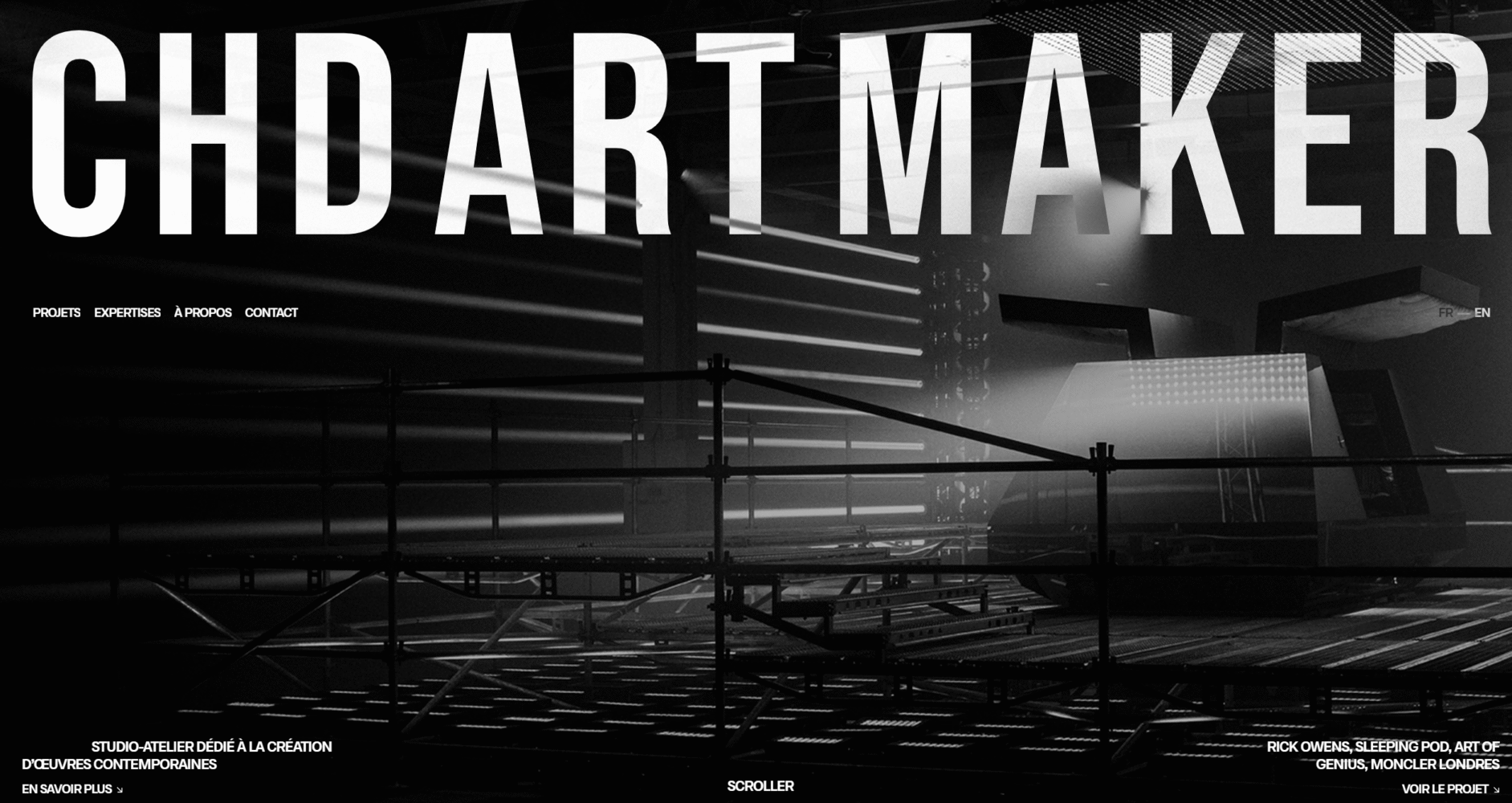
- Monochrome palettes often stark black and white.
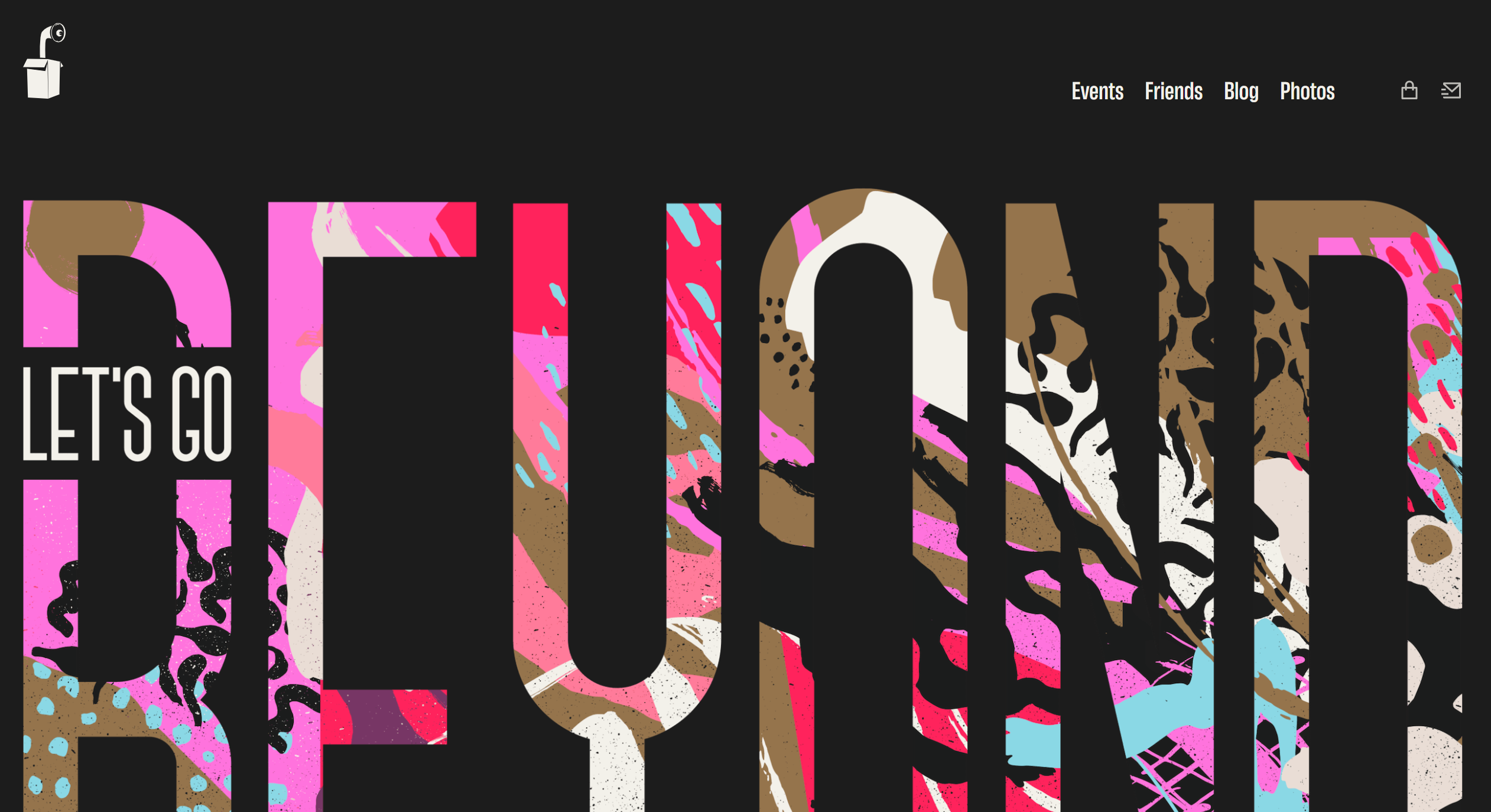
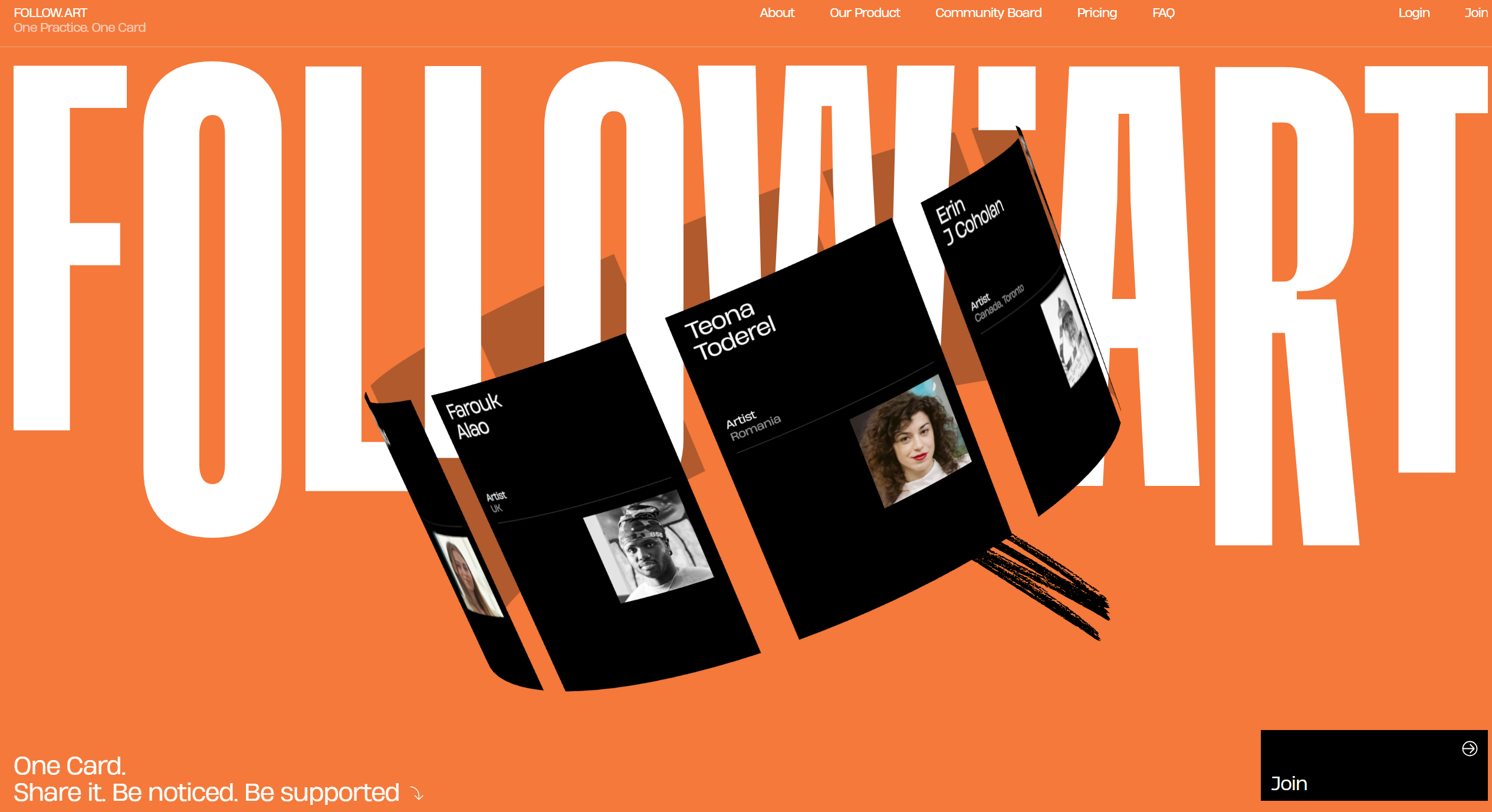
- Oversized type typography that dominates the layout.
- Asymmetry off-kilter grids and broken alignment.
- Unstyled HTML buttons, links, and forms in their default states.
- Harsh edges and spacing no rounded corners, no soft gradients.
It’s honest, sometimes abrasive, but that’s the point.
UX and Accessibility: The Balancing Act
The challenge is knowing where rebellion ends and usability begins. Brutalist design can quickly alienate users if accessibility is ignored.
Tips for balance:
- Maintain readable text sizes and sufficient contrast.
- Keep navigation straightforward even if it looks chaotic.
- Avoid motion or layout shifts that cause confusion.
The most effective Brutalist sites break conventions intentionally, not carelessly.
Brutalism in Web Design
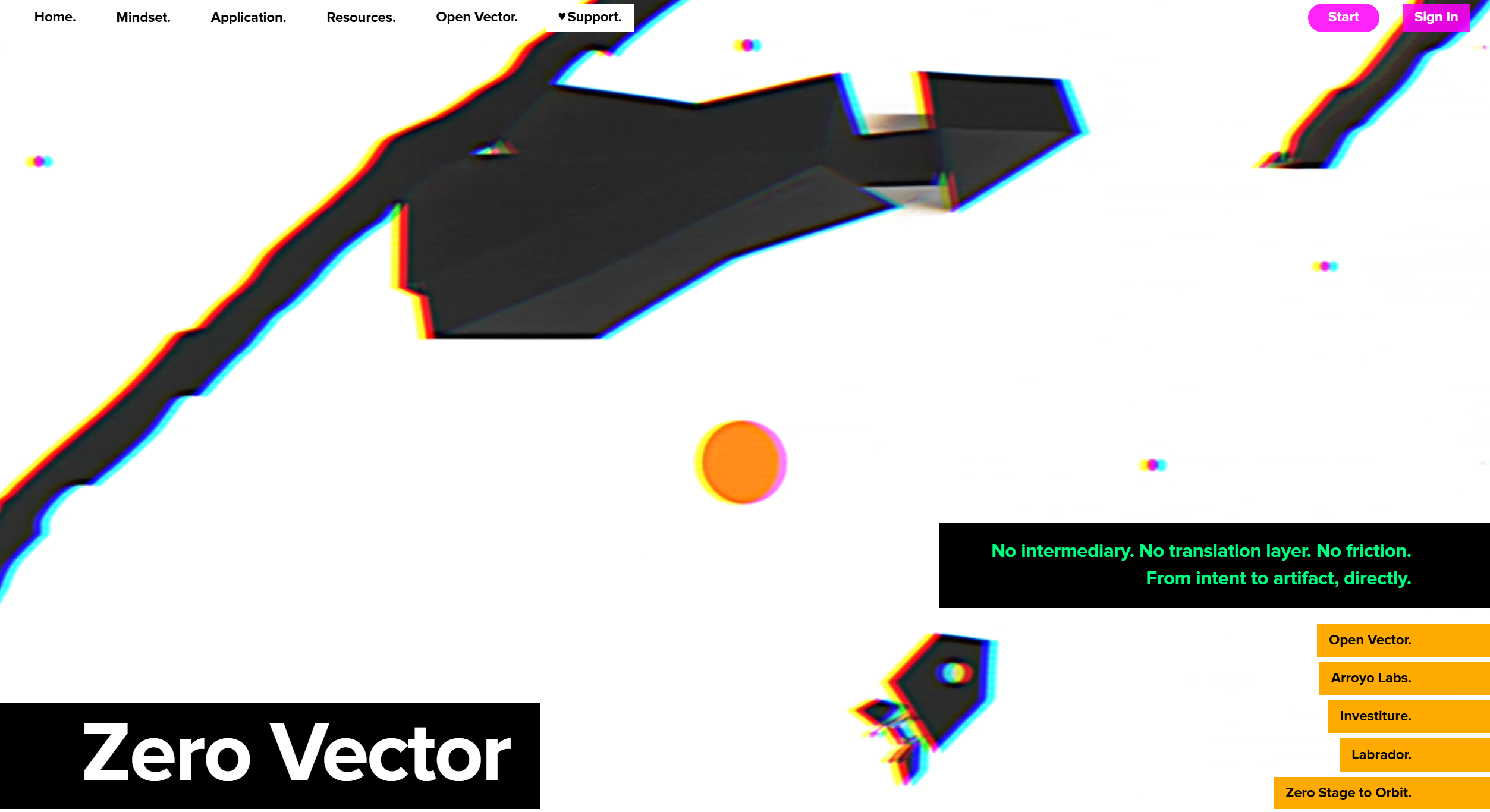
Brutalist web design lives where structure, rawness, and experimentation collide. These sites often look “broken,” but that’s the point, they reject polish to make a statement.
1. BrutalistWebsites.com

https://brutalistwebsites.com
The ultimate archive of raw digital design. A chaotic, no-frills feed of user-submitted Brutalist sites. Default fonts, heavy outlines, and link-blue overload, both homage and satire rolled into one.
2. Bloomberg Businessweek (2018–present)

https://www.bloomberg.com/businessweek
Editorial chaos turned into art. Massive headlines, inconsistent grids, bright neon color palettes, and visual tension everywhere. Brutalist in energy but anchored by functional UX.
3. The Outline (archived)

https://theoutline.com
One of the first mainstream news sites to adopt Brutalism. Flashing colors, loud typography, oversized headlines, it dared to look ugly to stand out in a sea of sameness.
4. Balenciaga (2020 site redesign)

https://www.balenciaga.com
Fashion meets Brutalism. Cold white background, Times-style serif type, minimal hierarchy. Feels more like a system console than a luxury store, exactly the brand’s anti-fashion statement.
5. FAKT Design Studio

https://fakt-office.com/
Berlin-based studio using dense layouts, asymmetric grids, and harsh transitions. Typography becomes architecture; usability feels secondary to presence. It’s functional chaos done intentionally.
6. Post-Typography (archive)

https://posttypography.com
Heavy, typographic-driven design with no concessions to smoothness. Type sits on type, borders are inconsistent, and color clashes make it impossible to ignore.
Brutalism in Poster Design
In poster design, Brutalism manifests through typographic dominance, raw textures, bold geometry, and rejection of harmony. These posters demand attention through discomfort.
1. Swiss International Style Crossovers

- Designers like Josef Müller-Brockmann laid the groundwork, Brutalism evolved by breaking his rules.
- Poster traits: massive sans-serif type, raw alignment, minimal color, asymmetry.
2. Experimental Jetset Posters

- Famous for Helvetica-only, grid-based posters.
- Pure black and white, often just text.
- The beauty lies in precision and restraint, modern Brutalism’s intellectual cousin.
3. David Carson’s Work (Ray Gun Magazine)

- A chaotic, deconstructed approach to typography.
- Letters overlap, text bleeds off the page.
- A rebellion against legibility, turning disorder into art.
4. Bauhaus / Constructivist Revival Posters

- Heavy geometric forms, strict grids, limited color palettes (red, black, beige).
- Brutalist designers revived these principles but stripped them of decoration.
5. Contemporary Examples

- Velvetyne Type Foundry posters – DIY typography, grid distortion, pixelation.
- Posterzine issues – overprinted inks, harsh type hierarchy, raw paper textures.
- Kink Design / COLLINS experimental posters – large text blocks, unpredictable placement, limited polish.
A Design Philosophy
At its heart, Brutalism is a reaction to design conformity. It’s not anti-design, it’s post-design.
It says:
“Here’s my work. It’s raw. It’s real. And it doesn’t need your approval.”
This ethos resonates deeply with younger designers who see digital Brutalism as a statement of independence, a pushback against automated, templated creativity.
Beauty in the Broken
Brutalism invites emotion, even discomfort, and that’s its power. It challenges the viewer to engage instead of passively consuming.
The best Brutalist designs don’t reject order; they redefine it. They remind us that the web was never meant to look one way, and that imperfection is a form of identity.
Challenge: Build something intentionally imperfect this week. Break the grid. Let the code show. Make it yours.
Want to Showcase Your Work?
Submit your favorite Brutalist designs to our gallery at UnmatchedStyle.com/submit and show the web what creative honesty looks like.
Monochrome Minimalism
Monochrome Minimalism merges Bauhaus discipline with IKEA simplicity. Clean grids, muted tones, and functional beauty create digital calm, proof that restraint, not decoration, defines timeless design.
Get This and Other Things In Our Weekly Email Newsletter
Check out the past weekly newsletters as well as our RADAR section of useful links.
Passionate about web design and UX? Do you have an eye for detail and a knack for insightful analysis? Do you want to write an article for us. We’d love to talk!
Write for us!
4 CSS Features That Changed Everything
Over the past five years, a handful of new CSS features have completely reshaped how we build for the web. According to the 2025 State of CSS Survey, these are the true game-changers.
Mastering Grids in UI Design: The Backbone of Visual Harmony
A modern guide to UI design grids, learn how to build flexible 12-column and 4-column systems, master margins, gutters, and modules, and apply today’s responsive layout best practices.
Understanding Mental Models for Better Web Design Practices
How can understanding mental models transform your web design process? These cognitive blueprints shape perceptions and decisions, leading to intuitive, user-centered designs.